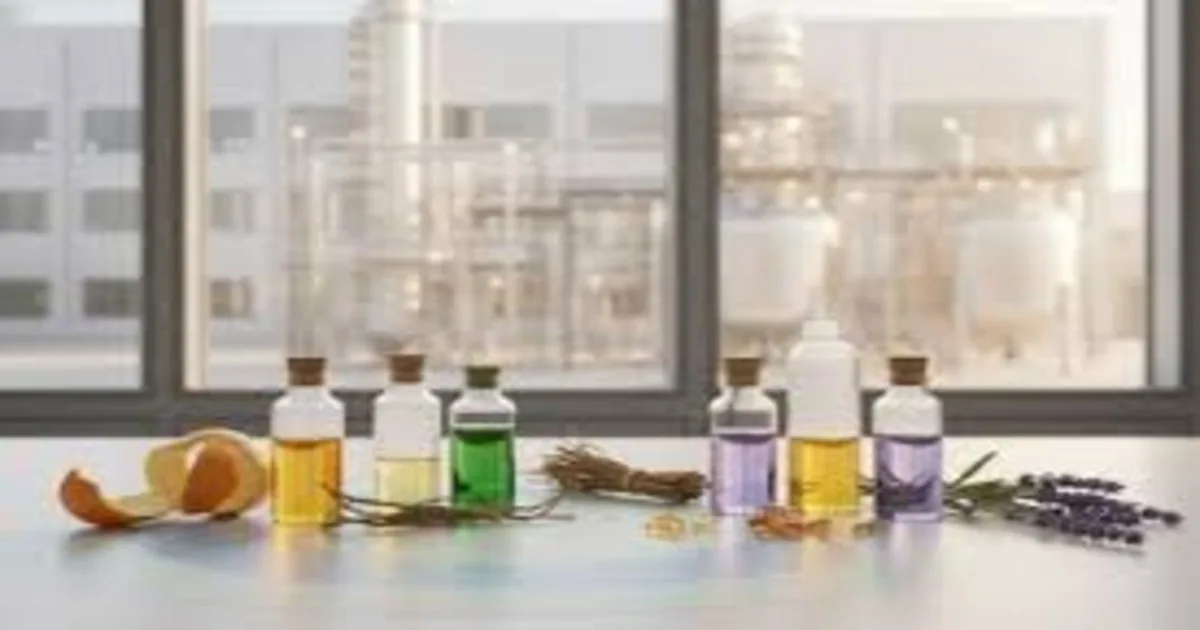
Gulf Builders Turn to Tough Hardeners for Harsh Climate Projects
Curing agents are chemicals that harden resins into durable solids used across coatings, adhesives, composites, and flooring in the Gulf region. They drive the crosslinking reaction that gives epoxy and similar systems their resistance to heat, salt, chemicals, and wear. In a region where structures face extreme temperatures and saline air, that durability is a practical necessity rather than a luxury for builders and plant operators.
A recent study by Markntel Advisor highlights that the GCC curing agent report https://www.marknteladvisors.com/research-library/gcc-curing-agent-market-report.html was valued at USD 140 million in 2025 and is projected to grow from USD 152 million in 2026 to USD 193 million by 2032, registering a CAGR of 4.06% during 2026–2032. Epoxy curing agents held 70% of demand in 2026, while Saudi Arabia accounted for 45% of regional demand.
Epoxy Systems Dominate Demand Across Gulf Industrial Applications
Epoxy curing agents held 70% of demand, supported by strong crosslinking and chemical resistance in demanding industrial uses. They protect pipelines, storage tanks, structural steel, and marine assets, where failure carries high costs and safety risks. Their performance under heat and aggressive exposure keeps them central to coatings across construction, energy, and infrastructure work. That reliability keeps epoxy systems central to Gulf supply.
Amine-based systems lead the chemistry side through versatility, adhesion, and efficient curing at ambient conditions. They suit large construction and maintenance projects where heating large surfaces is impractical and schedules are tight. Other chemistries serve narrower roles, such as faster curing or added flexibility, but remain smaller beside the established epoxy-amine combination across large sites.
Saudi Projects Anchor Regional Demand for Protective Coating Systems
Saudi Arabia accounted for 45% of regional demand, reflecting the scale of its transport, housing, and industrial construction programmes. Large developments need coatings that resist corrosion and last for decades under desert conditions, which directly supports curing agent consumption. Housing growth adds further demand through coatings and waterproofing systems in new residential areas across the region. New housing adds further steady demand.
The national transformation programme portal https://www.vision2030.gov.sa/en/ describes the diversification and development agenda behind much of this construction activity across the Kingdom. Other Gulf states contribute through energy, logistics, and utilities projects of their own, each with demanding coating needs. Together these programmes give the region a sustained pipeline of work for protective materials.
Energy and Water Assets Need Coatings Built for Extreme Conditions
Oil and gas infrastructure creates steady demand for anti-corrosion coatings on pipelines, refineries, and storage systems. These assets operate in saline and high-temperature settings, so coatings must hold adhesion and resist chemical attack over long maintenance cycles. Curing agents that ensure full hardening are therefore essential to asset protection across the hydrocarbon chain.
Desalination plants add a distinct outlet, since pipes and tanks handling treated water need linings compatible with potable systems. Renewable energy brings another, as wind turbine blades rely on epoxy composites cured with amine systems for structural strength. The government services portal outlines public services and initiatives across the Kingdom, reflecting the breadth of state-led development behind this demand.
Cleaner Rules Push Formulators Toward Lower-Emission Curing Options
Environmental rules are tightening around conventional chemistries, particularly for products supplied into regulated export destinations. Safety training and handling requirements add complexity for some systems, encouraging a shift toward lower-emission alternatives that maintain performance. Amine-based and waterborne formulations are gaining ground as they reduce emissions while meeting durability needs in harsh conditions.
Innovation in ultra-low-emission flooring and coating hardeners shows that cleaner products can compete on performance as well as compliance. Buyers increasingly weigh lifecycle cost, maintenance frequency, and emissions together when choosing a system. This shift rewards formulators able to combine regulatory compliance with proven durability in harsh Gulf conditions over long service lives.
Protective Chemistry Stays Central to Gulf Construction and Energy
Curing agents in the Gulf are developing through epoxy leadership, Saudi-led construction, energy and water demand, and cleaner formulations. Epoxy systems remain the core product, protective coatings remain the core application, and infrastructure spending keeps the pipeline full. As the region builds, diversifies, and maintains its assets, curing chemistry will keep underpinning the durability of its coatings, composites, and bonded structures across the region.